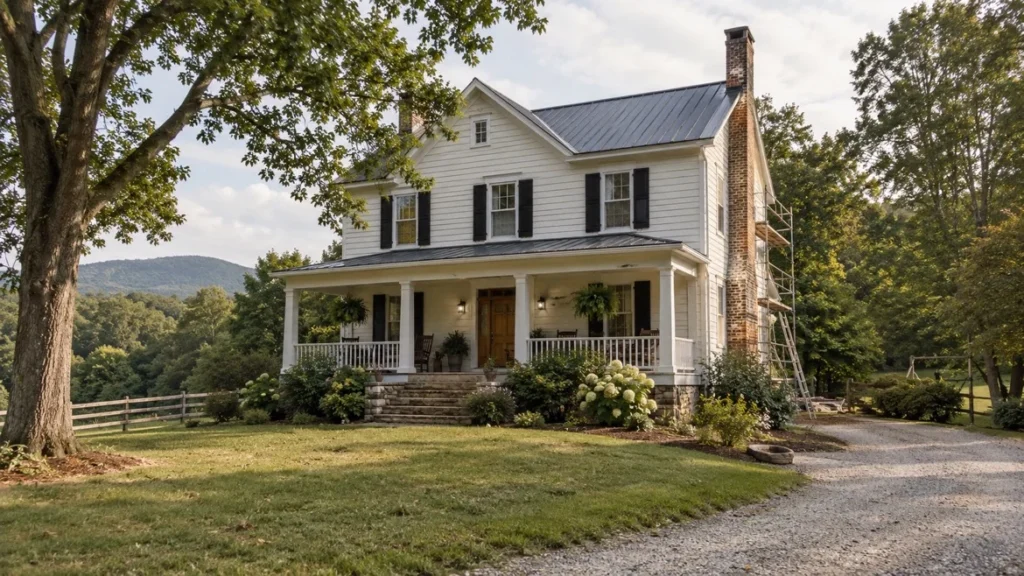
Remodeling an older or historic home is deeply rewarding, but it comes with realities a newer home does not have: outdated wiring and plumbing, hidden structural quirks, and materials that are harder to match. The key is working with a contractor who expects those surprises, plans for them, and knows how to update the home without stripping away the character that made you love it. Central Virginia is full of these homes, and here is what to keep in mind before you start.
Key Takeaways
- Older homes often hide outdated wiring, aging plumbing, and settling issues behind the walls.
- Matching original materials and details takes more care and planning than new construction.
- Additions to older homes work best when they respect the original scale and style.
- Homes in designated historic districts may need extra review before certain exterior work.
- Experience with older homes matters more here than on any other kind of project.
What Makes Remodeling an Older Home Different
The biggest difference is uncertainty. In a newer home, what is behind the wall is usually predictable. In a home that is fifty, a hundred, or more years old, you often do not know exactly what you are dealing with until you open things up. Framing may be non-standard, past owners may have made changes that were never documented, and materials may not match anything sold today.
That is not a reason to avoid remodeling an older home. It is a reason to work with someone who has done it before and builds a little margin for the unexpected into the plan. Decades of working on these homes teaches you where to look and what to expect, which is exactly what keeps surprises from becoming expensive problems.
Common Surprises in Older Central Virginia Homes
A few issues come up again and again in older homes across the region.
Wiring and plumbing
Older electrical systems were not built for modern demand, and older plumbing may be nearing the end of its life. When we open a wall for a remodel, it is common to find wiring or plumbing that is worth updating while we are already in there. Handling it during the remodel is far cheaper and cleaner than coming back to it later.
Structural and settling issues
Older homes settle over decades. You might find sloping floors, out-of-square rooms, or framing that was modified at some point in the home’s life. Most of this is manageable, but it needs to be understood before design and construction, especially for an addition that has to tie into the existing structure.
Matching materials and character
Trim profiles, flooring, brick, siding, and hardware from an older home are often no longer made in the same form. Matching them, or finding a close and respectful substitute, takes sourcing and skill. This is where care makes the difference between a repair that disappears into the original and one that always looks like a patch.
Additions and Updates That Respect an Older Home
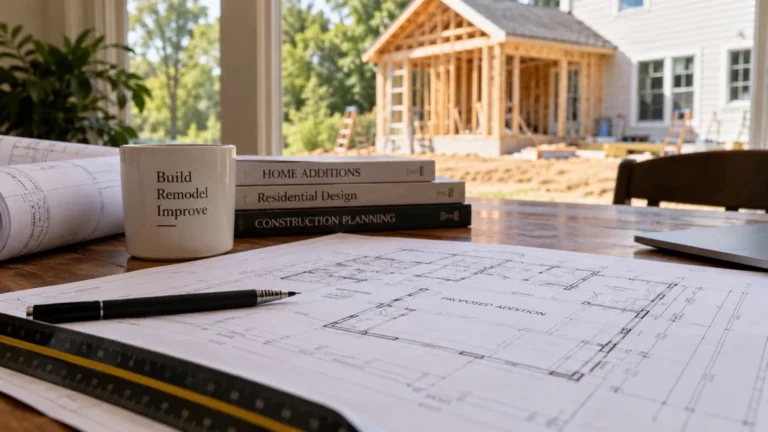
The goal with an older home is almost always to update how it functions without erasing what makes it special. A bathroom can get modern comfort and code-compliant systems while still fitting the character of the house. An addition can add the space a growing family needs while respecting the original home’s scale, rooflines, and proportions, so it reads as though it was always there rather than bolted on.
That balance is a design question as much as a construction one, and it is one reason many older-home projects benefit from a design-build approach, where the people designing the addition and the people building it are solving that puzzle together.
Do You Need Special Approvals for a Historic Home?
Sometimes, yes. If your home sits in a designated historic district, certain exterior changes may require review before you can proceed, and there are standards that guide appropriate work on historic buildings. The Virginia Department of Historic Resources is the state authority on historic properties and districts, and the National Park Service publishes the widely used standards for rehabilitation of historic buildings. If your home has any historic designation, it is worth confirming what applies before finalizing plans, and it can also open the door to preservation tax credits in some cases.
Most older homes in the region are not formally designated and carry no special restrictions. But it is always worth a quick check, and we can help you figure out where your project stands.
How to Plan a Renovation That Protects Your Home’s Character
A few habits make older-home projects go smoothly. Start with a thorough in-home look, so problems get found early rather than mid-project. Build a realistic budget that leaves room for the unexpected, because older homes almost always have at least one surprise. Prioritize the systems you cannot see, like wiring, plumbing, and structure, since those protect everything you can see. And choose a contractor who genuinely respects the home, not one who wants to gut its character for the sake of speed. When you find someone who treats an old house with the care they would give their own, you have found the right person for the job.
Frequently Asked Questions
Is it more expensive to remodel an older home? It can be, mainly because of hidden conditions like outdated wiring, aging plumbing, or settling. A good contractor plans for that and builds some margin into the budget so surprises do not derail the project.
Can you match the original trim and materials in an old house? Often yes, either by sourcing a match or finding a close, respectful substitute. Matching original details takes extra care, and it is what makes an update blend in rather than stand out.
Do I need permission to remodel a historic home? If your home is in a designated historic district, some exterior work may require review. Interior updates are usually less restricted. Confirm your home’s status before finalizing plans.
Can you add onto an older home without ruining its character? Yes. The goal is an addition that respects the original scale and style so it looks like it belongs. That is a design priority from the very start of the project.
Do you have experience with older homes in Central Virginia? Yes. We have worked on older and historic homes across the region for decades, which is exactly the experience these projects call for.
Own an older or historic home you want to update the right way? Request a free in-home consultation or call (540) 905-1155.
See our Additions and Bathroom Remodeling services, and the areas we serve in Fauquier, Culpeper, and Rappahannock Counties.